
Why Getting Dressed Is Becoming More About Identity Than Trends
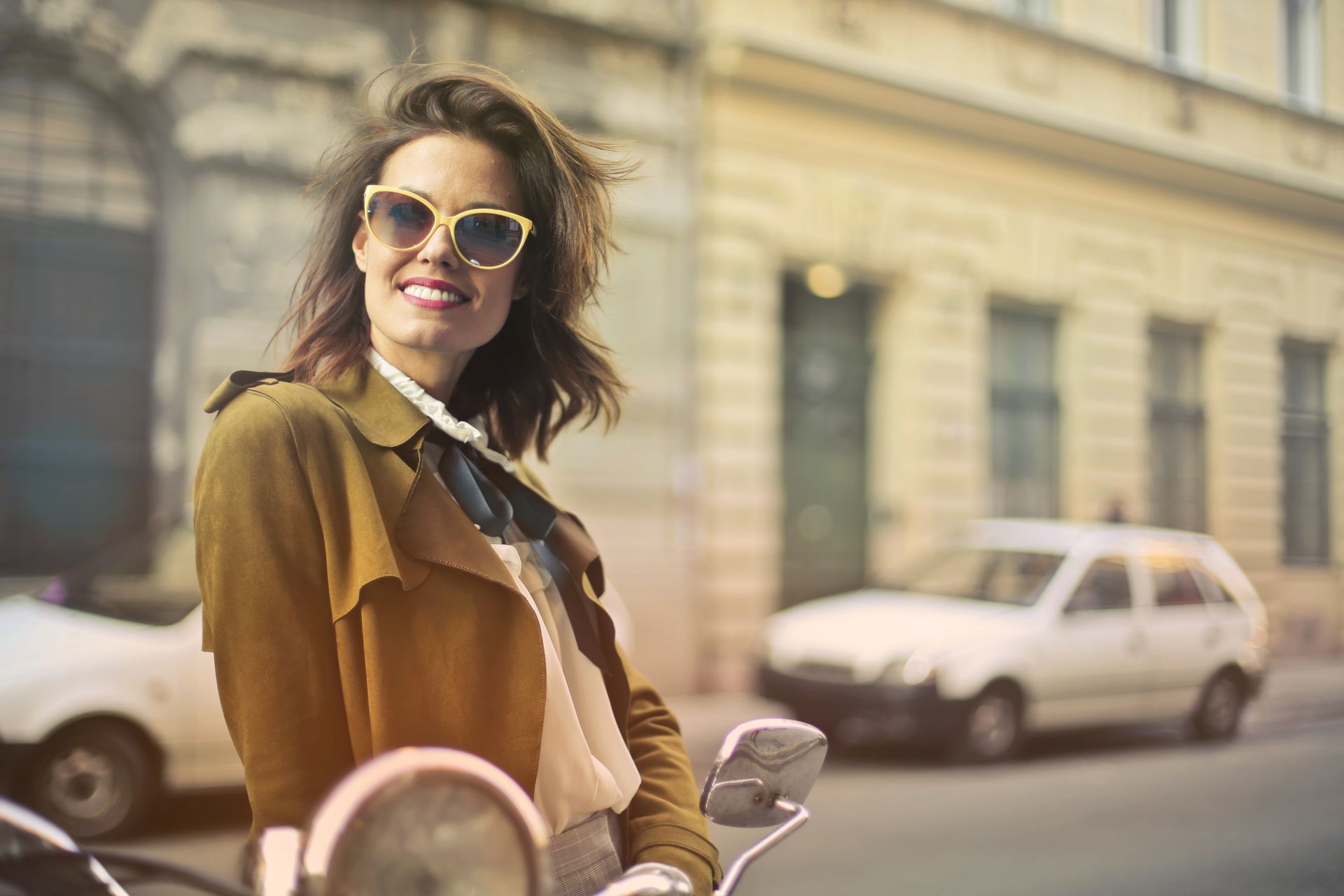
Fashion trends used to feel like instructions everyone was expected to follow. One season, a particular pair of jeans was everywhere; the next, everyone seemed to wear something completely different. Today, things are changing. More people are choosing clothes that reflect their personalities, lifestyles, and values instead of simply copying whatever is popular. Social media has made fashion more accessible, but it has also encouraged people to experiment with their own looks. Getting dressed is no longer just about looking fashionable. It’s becoming a way to communicate who you are, what you enjoy, and how you want the world to see you.
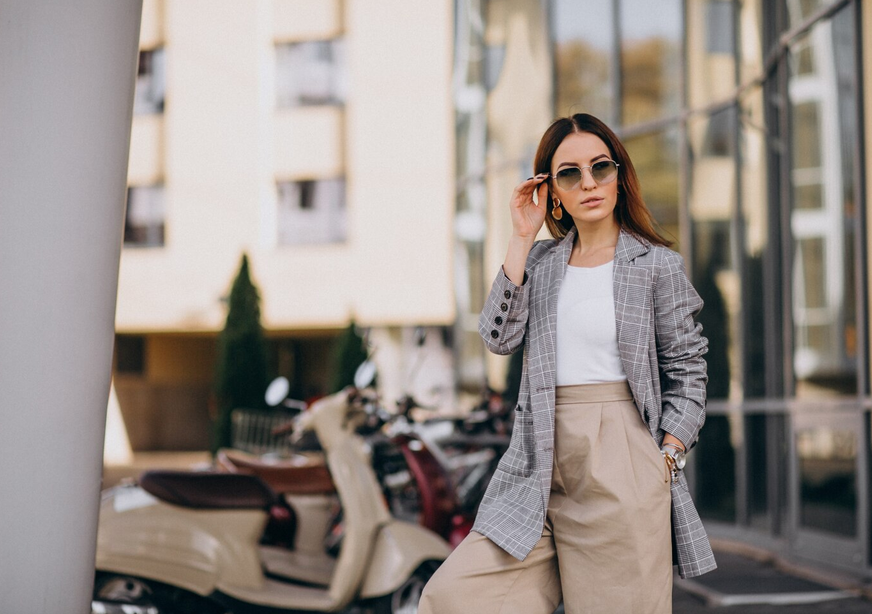
Personal Style Is Becoming More Important Than Popularity
One reason personal identity is influencing fashion is that people are becoming more comfortable developing their own styles. Instead of buying every trending item, they are learning which colors, fabrics, and silhouettes make them feel confident. Someone might prefer relaxed jeans, oversized shirts, and sneakers, while another person feels most comfortable in tailored trousers and classic jackets. Neither approach needs to be more fashionable than the other. The real appeal comes from wearing clothes that feel authentic, not dressing a certain way just because everyone else is.
Social Media Has Made Individuality More Visible
Platforms like Instagram, TikTok, and Pinterest have changed how people discover and share fashion inspiration. While trends still spread quickly online, users can now explore countless personal styles from different cultures, communities, and lifestyles. You might discover vintage fashion, minimalist outfits, streetwear, or creative ways to combine secondhand clothing. This variety makes it easier to find inspiration that matches your personality instead of following a single dominant look. Social media can still encourage comparison, but it also gives people more opportunities to experiment and find their own fashion identity.
Clothing Has Become a Form of Self-Expression
What you wear can communicate something about your mood, interests, and personality before you even say a word. A graphic T-shirt might reflect your favorite music, while colorful accessories could show your playful side. Someone who prefers neutral outfits may appreciate simplicity, while another person might use bold prints to stand out. Of course, clothing doesn’t tell the whole story, and appearances can be misleading. Still, fashion offers a creative way to express parts of yourself that words alone can’t convey.
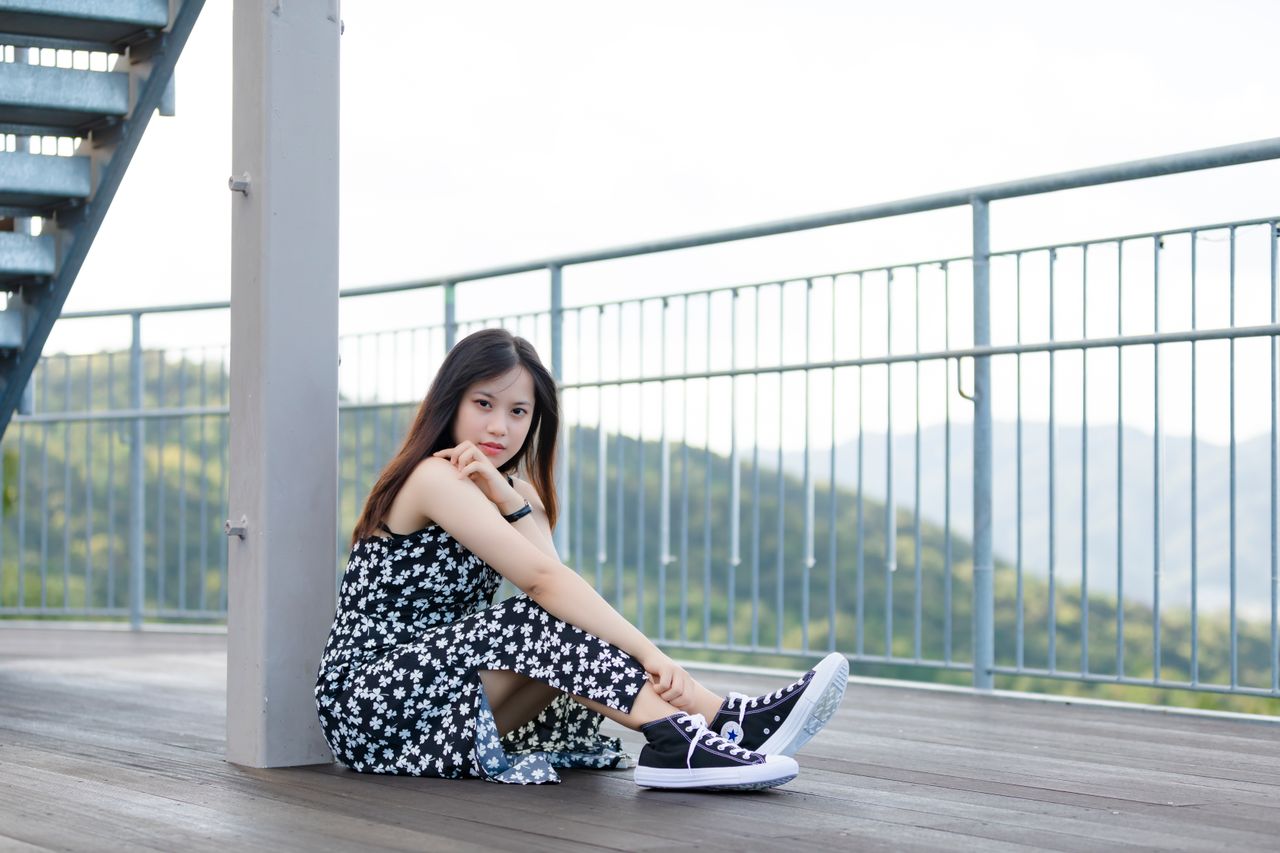
Comfort Is Changing the Way People Dress
Looking good remains important, but comfort has become a bigger part of everyday fashion decisions. People want outfits that work for their actual lives, whether that means commuting, working from home, running errands, or meeting friends. Comfortable sneakers, relaxed tailoring, breathable fabrics, and versatile basics appeal because they blend practicality with personal style. Rather than buying something uncomfortable just because it’s fashionable, many shoppers now look for pieces they can wear all day confidently. This shift shows that personal identity includes not only appearance but also lifestyle and everyday needs.
Sustainability Is Encouraging More Thoughtful Choices
For some people, fashion identity is also connected to how their clothes are made and how long they last. Growing awareness of textile waste and overconsumption has encouraged shoppers to explore secondhand clothing, repair old favorites, and invest in durable basics. Rather than constantly replacing their wardrobes to match new trends, they may prefer building a smaller collection of pieces that work together. These choices can reduce unnecessary purchases and help people develop a more consistent personal style. Sustainable fashion isn’t always affordable or accessible to everyone, but buying more intentionally can be a useful starting point.
Building a Wardrobe That Reflects You
Creating a personal style doesn’t require throwing away your entire wardrobe or spending a fortune on new clothes. Start by noticing which outfits make you feel comfortable and confident. Consider your daily activities, favorite colors, preferred fits, and the pieces you repeatedly reach for. Then build around those preferences, adding statement items or experimenting with trends when something genuinely appeals to you. The goal isn’t to avoid fashionable clothing altogether. It’s to make sure new purchases complement your existing style instead of leaving you with a closet full of items you rarely wear.
Getting dressed is becoming less about following fashion rules and more about creating a look that feels personal. Trends can still inspire you, but they don’t have to dictate every purchase or outfit choice. Comfort, individuality, lifestyle, and personal values play a bigger role in how people approach their wardrobes. By understanding what you genuinely enjoy wearing, you can develop a style that feels authentic and lasts beyond a single season. Ultimately, the most interesting fashion statement isn’t necessarily wearing what’s popular. It’s wearing something that feels like you.…